Handwashing Is Still Key Advice for Fighting COVID-19
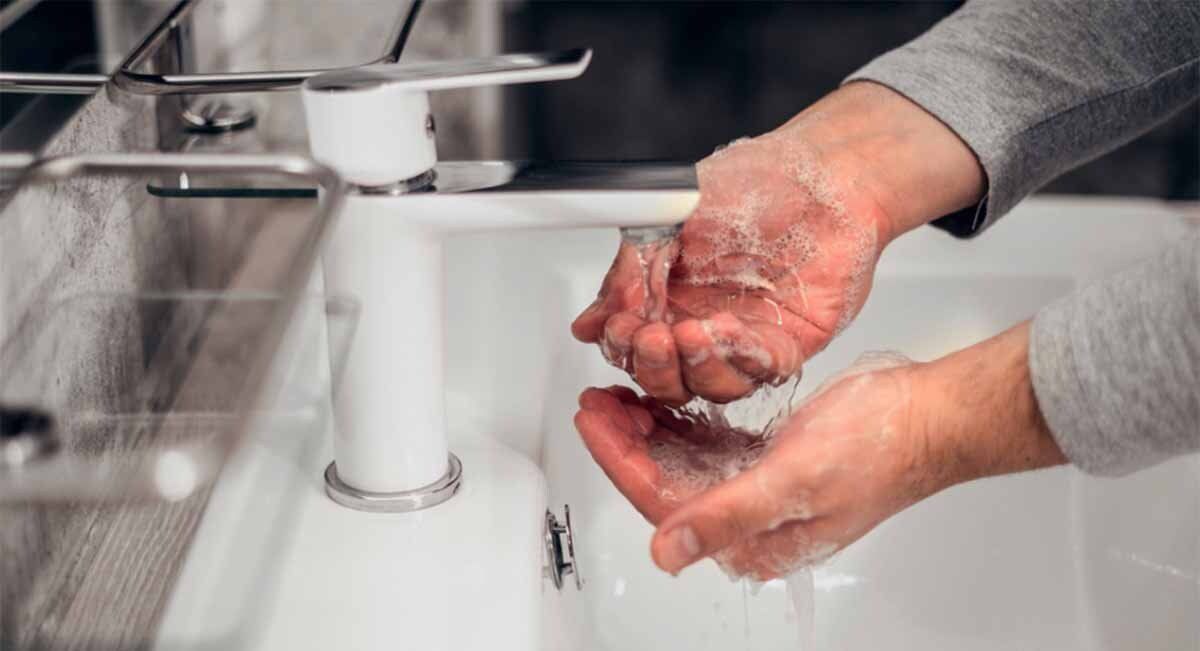
The first piece of advice we received regarding the COVID-19 pandemic back in February 2020 was about washing our hands thoroughly. Before the talk of social distancing, wearing a mask and before any restrictions on our daily lives were introduced, washing our hands with soap and water for 20 seconds was the key advice. Remember the rush to buy hand sanitiser and its scarcity in shops and supermarkets? It seems a distant memory now and nearly a year on, are people still washing their hands to prevent transmitting the COVID-19 virus?
Hand hygiene is still critical to fighting the spread of the virus, and people should be:
- Washing hands with soap and water for 20 seconds at a time
- Drying their hands thoroughly with a clean towel afterwards
- Washing hands more frequently after using the washroom, before handling food, after blowing our noses and before tending to the sick
- Using soap because it breaks down the fatty shell that surrounds the virus, the soap lather penetrates the folds and wrinkles of the hand
- Rinsing our hands thoroughly with water because the deactivated virus is then rinsed away.
Survey results on hand-washing to fight COVID-19
For this process to work properly, it should take approximately 20 seconds, according to scientists. But a new survey has revealed that only 62% of us are properly adhering to this critical advice.
Tork manufacturer Essity polled 10,000 people across 15 countries and found that three quarters of us are now washing our hands more frequently as a result of the pandemic, averaging 10 times a day compared to eight previously. An encouraging 80% are adopting the correct hand-washing technique, but only 55% are drying their hands on a clean cloth or towel afterwards. And only 24% use a towel to turn the tap off afterwards, meaning the virus can still be transmitted.
In total, 77% of respondents believed they were washing their hands to protect themselves from the virus, when actually this action prevents us transmitting the virus to other people. Across the globe, this belief differs, but raises some alarming misconceptions. In Russia, 92% felt that hand hygiene was to protect themselves, in the UK is was 77% and in Mexico 65%.
Your duty to protect employees from transmitting COVID-19
It is clear there is still some way to go in establishing a general understanding of how the virus is transmitted. Only 48% of people said they would wash their hands after using a shared device at work such as a phone or tablet. And only 25% said they would wash their hands before using it. Similar results were found with people using public transport and visiting a public space.
Clearly the virus is going to be with us for some time, even after restrictions are lifted and
people are vaccinated. So, all organisations have a duty to educate and protect their employees, with regards to how the virus is transmitted. Hand hygiene is a key element of this process and hand hygiene options, in terms of materials, substances, equipment and information, can be supplied by It’s Clean. So,
contact us today and we can help you enforce high standards of hand hygiene in your business.